
Prenatal Care
Nurturing your pregnancy journey.

Stay healthy during pregnancy.
Prenatal care is a cornerstone of a healthy pregnancy and a positive birth experience. St. Luke’s dedicated team of obstetricians are committed to providing exceptional care that nurtures both you and your developing baby. From your first appointment to the final weeks before delivery, we are here to guide you with expert medical attention, advanced diagnostics, and compassionate support.
The importance of early and consistent prenatal care.
Receiving early and regular prenatal care is crucial for the health of both mother and baby. Studies consistently show that women who engage in consistent prenatal care have healthier pregnancies and deliveries. At St. Luke's, our prenatal care program focuses on:
- Monitoring maternal health: Regular check-ups to track your health, manage any existing conditions, and address new concerns as they arise.
- Tracking fetal development: Utilizing advanced imaging and diagnostic tools to monitor your baby's growth and well-being.
- Preventive screenings: Identifying and managing potential risks or complications early in your pregnancy.
- Education and support: Providing you with the knowledge and resources needed to make informed decisions about your health and your baby's.
- Nutritional guidance: Expert advice on maintaining a healthy diet during pregnancy to support optimal development.
The first trimester is a rollercoaster of emotions and physical changes. It marks the foundation for your baby's development and sets the stage for the rest of your pregnancy journey. Here's a breakdown of what to expect:
Discomforts & early signs
- Morning sickness: Don't let the name fool you, nausea and vomiting can strike anytime.
- Fatigue: Embrace naps! Progesterone levels rise, making you feel extra tired.
- Breast changes: Tenderness, swelling, and tingling are all normal.
- Frequent urination: Your body processes more fluids to support the growing baby.
- Food cravings and aversions: Your taste buds might take you on a wild ride.
Warning signs to watch for
- Severe or persistent vomiting (hyperemesis gravidarum), which could make you become dehydrated, feel constantly dizzy and lightheaded and lose weight.
- Vaginal bleeding or cramping. It can be serious, consult a doctor.
- Fever or chills
- Blurred vision or severe headaches
Safe medications
Over-the-counter medications can be tricky during pregnancy. Always consult your doctor before taking anything, including supplements and herbs.
Nutrition
- Focus on a balanced diet rich in fruits, vegetables, whole grains and lean protein.
- Folic acid is crucial for fetal development, so prenatal vitamins are a must.
- Stay hydrated by drinking plenty of water.
Exercise
Regular exercise is generally safe and beneficial during pregnancy. Unless your doctor advises otherwise, stay active with modifications for your changing body.
Vaccines & COVID
- Getting recommended vaccines, like flu and Tdap, protects you and your baby.
- Discuss COVID vaccination with your doctor to understand the latest recommendations.
Car restraint safety
Seatbelts are essential! Use the lap belt below your belly and the shoulder belt across your chest, not your abdomen.
Feeding your baby
Whether you choose breastfeeding or formula feeding is a personal decision. Talk to your doctor about the pros and cons of each option to find the best fit for you and your baby.
Remember, every pregnancy is unique. Be patient with your body, listen to its cues and enjoy this incredible journey!
The second trimester often brings a welcome surge of energy and a chance to truly connect with your growing baby. Here's a look at some key aspects of this exciting phase:
Physical changes & discomforts
- Baby bump: Your uterus expands, making your pregnancy more visible.
- Fetal movement: You might start feeling those delightful "butterflies" or kicks as your baby moves.
- Braxton Hicks contractions: These practice contractions are painless but can feel like a tightening in your abdomen.
- Round ligament pain: Sharp twinges on your sides are caused by ligaments stretching to support your uterus.
Monitor for complications
Hypertension and pre-eclampsia: High blood pressure is a concern. Your doctor will monitor you closely, especially if you have a history of it.
Prenatal activities
- Kegel exercises: Strengthen your pelvic floor muscles for easier delivery and postpartum recovery.
- Perineal-vaginal massage: This massage may help reduce the risk of tearing during childbirth (discuss with your doctor).
Preparing for birth
- Birth plan: Create a birth plan outlining your preferences for pain management, delivery environment, etc. Remember, this is a guideline and you can adjust it as needed.
Additional tips
- Increased appetite: It's normal to feel hungrier. Focus on healthy, nutrient-rich foods to nourish yourself and your baby.
- Stretch marks: These reddish lines can appear on your belly, breasts and thighs. Moisturizing might help minimize them but won't prevent them entirely.
- Sex during pregnancy: Generally safe with no complications, but discuss any concerns with your doctor.
Remember, communication with your doctor is key. Don't hesitate to ask questions and voice any concerns you might have. Enjoy this special time of bonding with your little one!
The third trimester is all about anticipation and final preparations for your little one's arrival. Here's a breakdown of key aspects to keep in mind:
Monitoring your baby’s development
- Fetal kick counts: Remain vigilant about tracking your baby's movements. Consistent activity is reassuring. Decreased movement warrants a prompt call to your doctor.
- Non-stress testing (NST) and amniotic fluid index (AFI): These prenatal tests become more frequent, ensuring your baby's well-being and sufficient amniotic fluid for development.
Potential complications
- Preterm labor: Be aware of the signs and symptoms of preterm labor – regular contractions, pelvic pressure and vaginal bleeding. If you suspect preterm labor, seek immediate medical attention.
Getting ready for delivery
- Hospital bag: Finalize your hospital bag, ensuring everything you and your baby need is packed. Include comfortable clothes, toiletries, nursing supplies (if breastfeeding), diapers, wipes and a car seat for the ride home.
- Health insurance for your baby: Adding your baby to your existing plan or enrolling them in a separate one before their birth ensures immediate coverage. Contact your insurance provider to understand the process.
Additional tips
- Frequent doctor visits: Schedule regular appointments with your doctor to monitor your health and your baby's development.
- Preparing for birth: Consider enrolling in birthing classes to learn about pain management techniques, delivery options and newborn care.
- Rest and relaxation: Fatigue is common. Prioritize sleep, delegate tasks and embrace relaxation techniques like meditation.
Remember, the third trimester is a time of excitement and anticipation. Stay informed, prioritize your well-being and trust your doctor's guidance. Enjoy this special time and prepare to welcome your precious little one!
Specialized care for complex and high-risk pregnancies
At St. Luke’s, we understand that some pregnancies require specialized care and closer monitoring. For expectant mothers facing complex medical situations or higher-risk pregnancies, our Maternal Fetal Medicine (MFM) specialists provide advanced, comprehensive support. Working in close collaboration with your obstetrician, our MFM team offers cutting-edge diagnostics, including high-resolution ultrasounds, genetic testing, and other specialized screenings. We develop coordinated care plans tailored to manage conditions such as gestational diabetes, hypertension, and other chronic health issues. Throughout your journey, you can count on personalized guidance and compassionate support every step of the way.
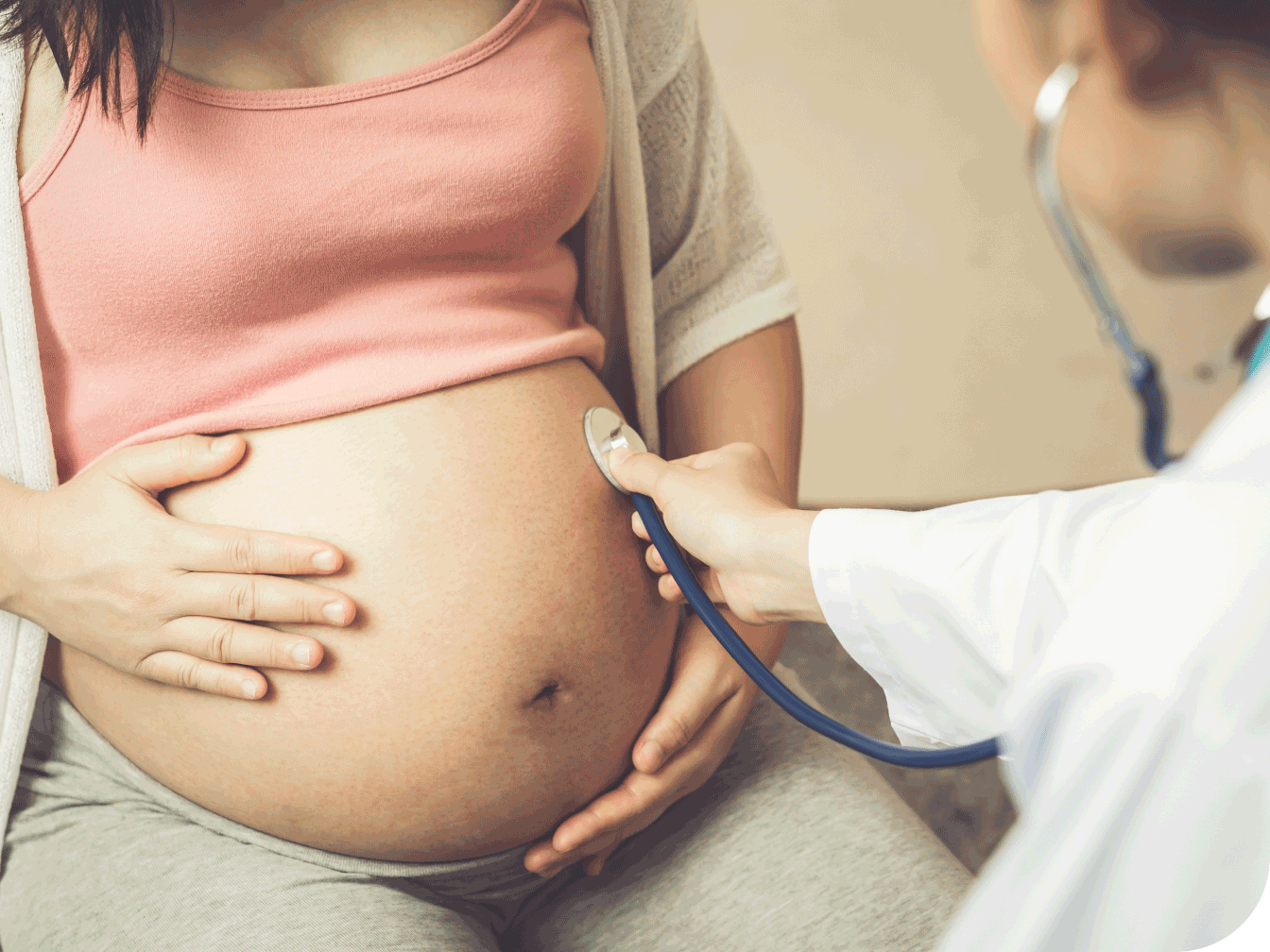

Feel Prepared, Informed & Excited for What’s Ahead
Pregnancy is an emotional roller coaster filled with excitement, joyful anticipation and maybe even a few flutters of nervousness. That's perfectly normal! Our comprehensive prenatal classes equip you with the knowledge and confidence you need to thrive throughout this special time.
Frequently asked questions about prenatal care
It is recommended to start prenatal care as soon as you know you are pregnant, ideally within the first 8 weeks. Early and regular prenatal visits are vital for monitoring your health and your baby's development.
Prenatal visits typically include monitoring your weight and blood pressure, checking your baby's growth and heart rate, urine tests, and discussions about your health, nutrition, and any concerns you may have. As your pregnancy progresses, visits may include ultrasounds and other screenings.
Maternal Fetal Medicine (MFM) is a subspecialty of obstetrics that focuses on high-risk pregnancies. MFM specialists provide advanced care for mothers and babies facing complex medical conditions, ensuring specialized monitoring, diagnostics, and management throughout pregnancy.
While not mandatory, prenatal classes are highly recommended. They provide valuable information about childbirth, pain management options, newborn care, and breastfeeding, helping you feel more prepared and confident for labor and parenthood.
You can use our online Find a Doctor tool on the St. Luke's website to search for obstetricians by location, specialty, and other criteria. You can also call our patient access center at 484-526-8600 for assistance in finding the right provider for you.

Begin your healthy pregnancy journey.
Your health and your baby's well-being are our top priorities. Choose St. Luke's OB/GYN for exceptional prenatal care that supports you every step of the way. Schedule your first prenatal appointment today and experience the difference of compassionate, expert care. Call 484-526-8600 to connect with our team.